
School–family communication: keys to a smooth relationship
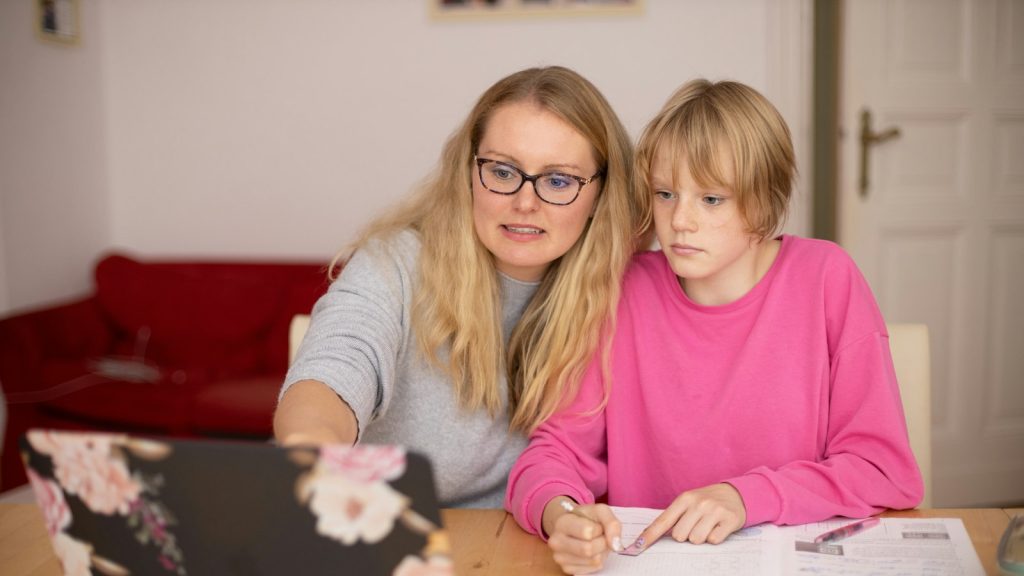
The relationship between a school and its families is one of the factors that most influences pupils’ experience of school. When communication flows well, families have a better understanding of what’s happening in the classroom, can support their children’s learning and can spot potential difficulties early on. When it doesn’t, misunderstandings arise, information arrives late and there’s a sense of distance that benefits no one.
Improving communication doesn’t mean sending more messages; it means sending the right messages, through the right channel, at the right time.
The most common problems
Many schools have a mix of channels that have built up over time: paper letters, emails, messaging groups run by the families themselves, phone calls, homework diaries and assorted apps. This mix leads to familiar problems:
- Important information gets lost among less relevant messages.
- Families don’t know where to look for what.
- Teachers receive messages via personal channels and outside working hours.
- There is no record of what has been communicated or whether it has been read.
- Paper consent forms and absence notes go missing or arrive late.
Seven keys to effective communication
- Define official channels and their purpose. General news, individual messages, incident reports and consent forms shouldn’t be mixed up. Each type of communication needs its own space.
- Prioritise information. Not every notice is equally important. Highlighting what’s urgent and grouping general information helps families focus on what really matters.
- Share the positives too. If families only hear from the school when there’s a problem, the relationship becomes strained. Recognising good behaviour or outstanding effort builds trust.
- Make parents’ meetings easy. Letting families request meetings, holding them online as well and keeping a record of what was agreed improves individual support.
- Digitise paperwork. Explaining absences, signing consent forms or giving permissions from a mobile phone saves everyone time and avoids lost paperwork.
- Protect teachers’ time. An official channel keeps professional and personal lives separate and sets reasonable expectations about response times.
- Listen to families. Regular surveys and opportunities to get involved help you understand their views and improve the educational experience.
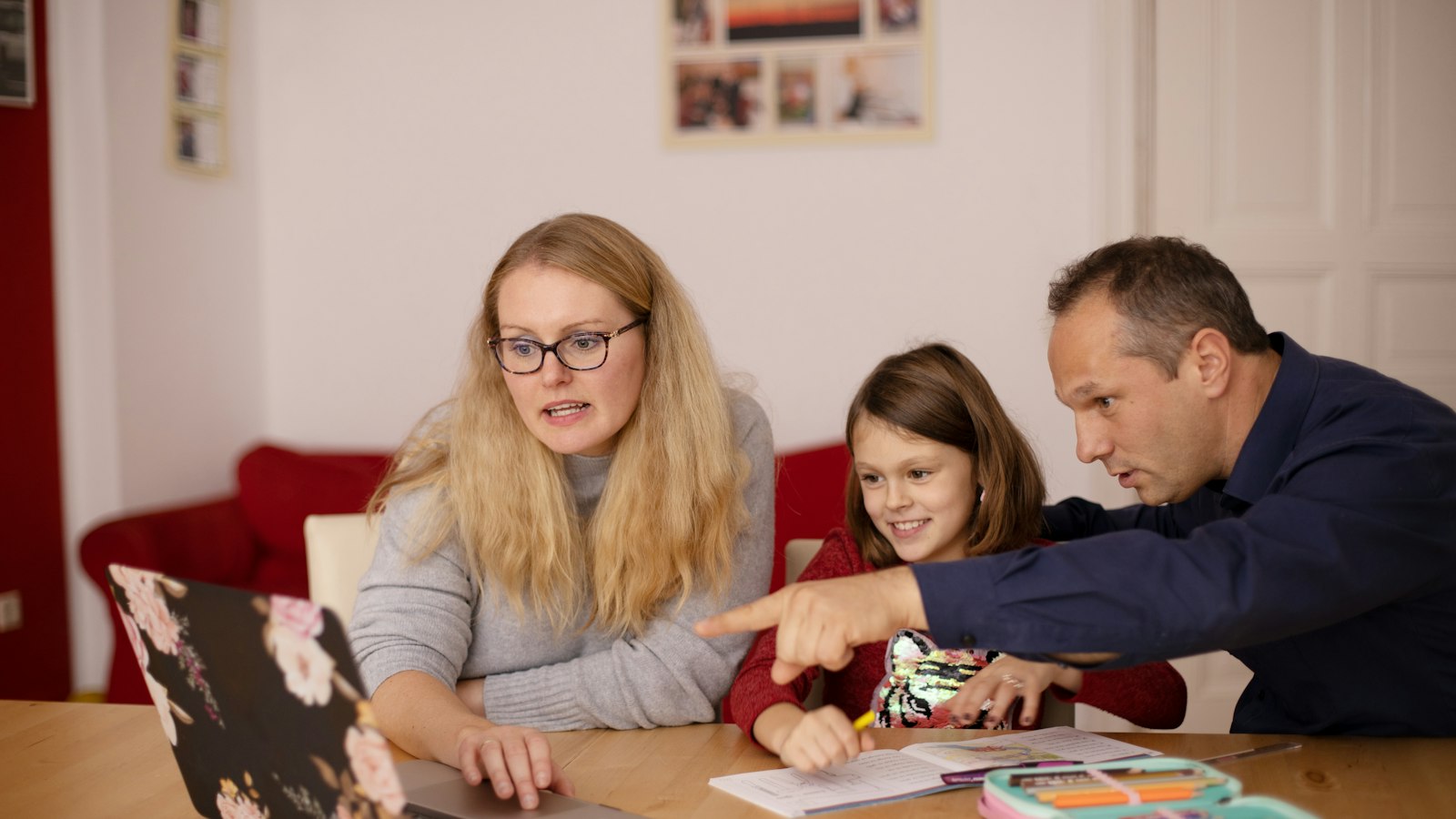
Involving families in school life
Communication isn’t just about reporting incidents or marks. Sharing photo galleries of trips and activities, publishing news about school projects or inviting families to take part in blogs and surveys all help to build a sense of community. Families who feel part of the school tend to be more involved and to place more trust in the teaching staff.
The value of centralising communication
When all communication goes through a single environment, the school gains in organisation, security and traceability. Families know where to find information, teachers have a professional channel and the leadership team can check what has been communicated and when. In addition, pupils’ personal data no longer circulates through apps the school has no control over.
How Weeras Education makes it easier
Weeras Education brings together in one environment the channels a school needs: news with priority levels for the whole community or for specific groups, internal mail with scheduled sending, notifications that take each user straight to where they can deal with an issue, parents’ meeting management with attendance confirmation and a report on the points discussed, recording and viewing of incidents (positive ones too), a School Office area for explaining absences, and online management of consent forms. What’s more, the platform is free for families, teachers and administrative staff.
Good communication doesn’t make problems disappear, but it does allow them to be tackled sooner and with greater trust. And in education, acting in time makes all the difference.